Dark Energy

Dark Energy Collection
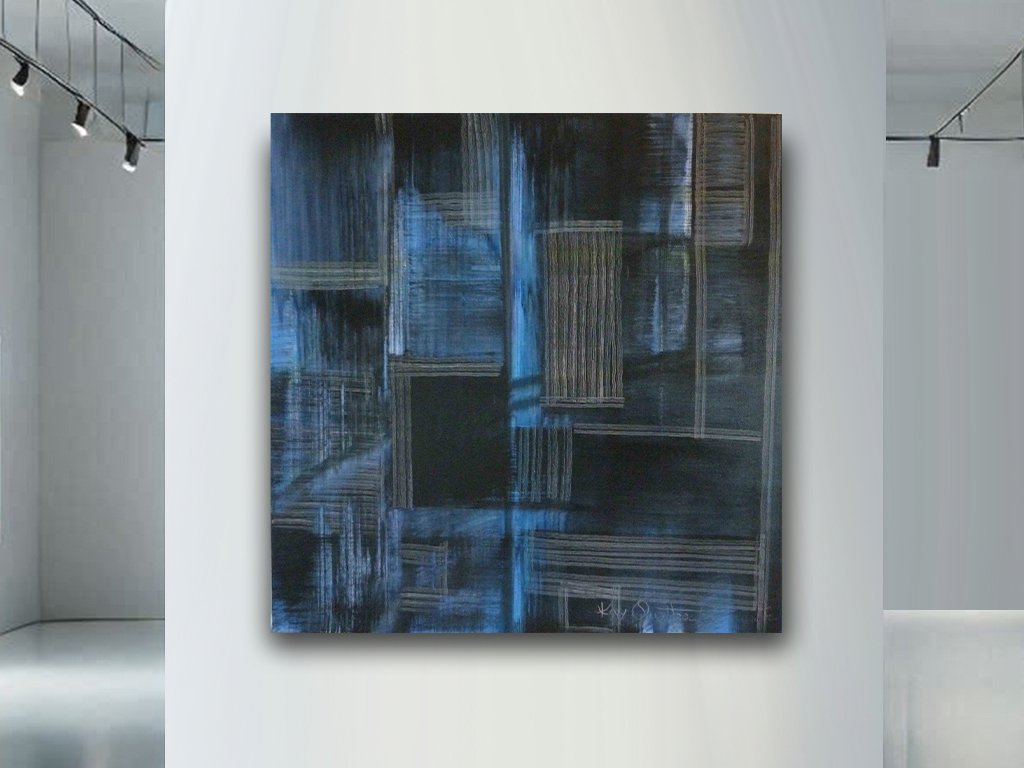
On Either Side
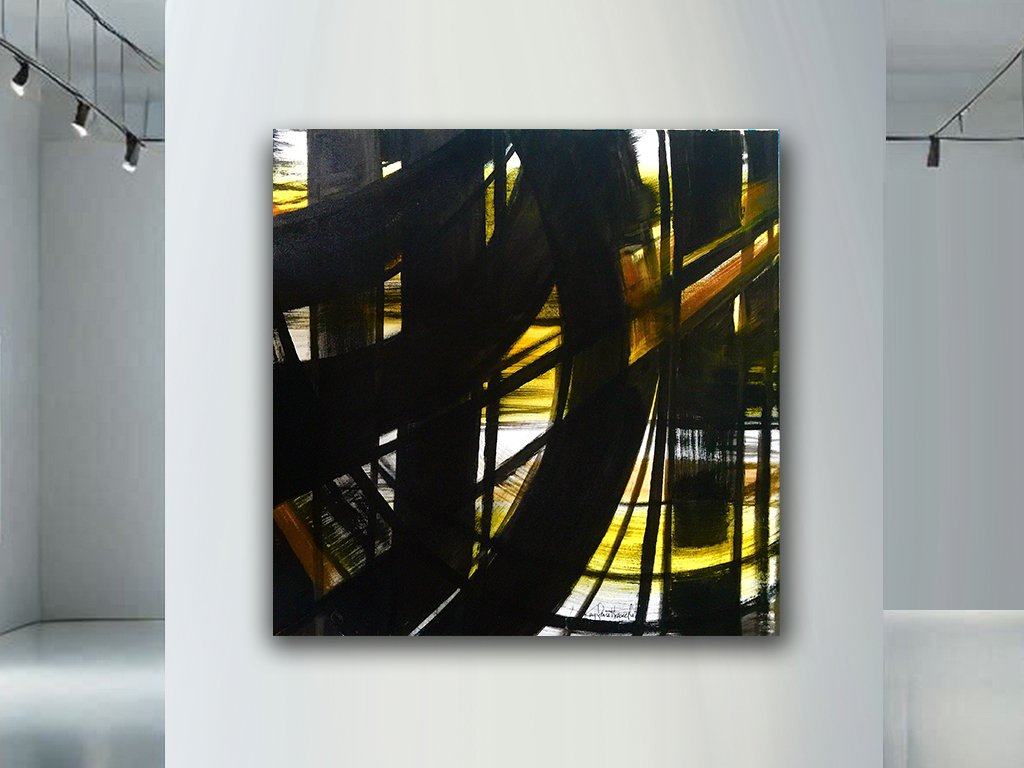
Space Music
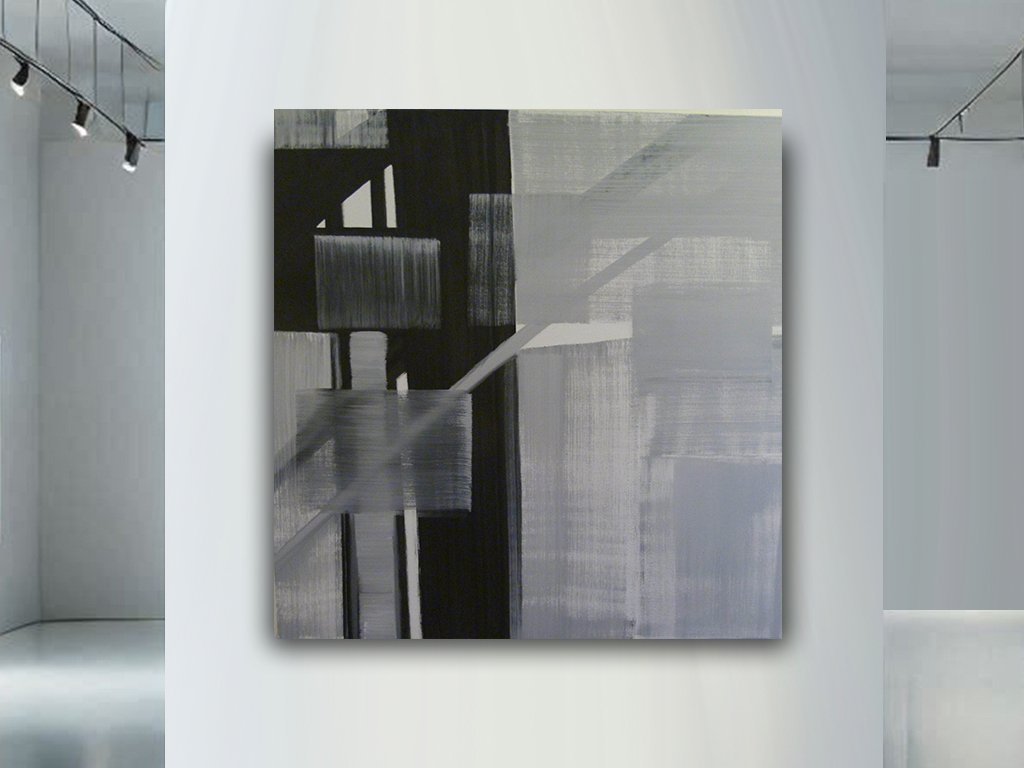
The Architect's Eye

Angel & Shadow
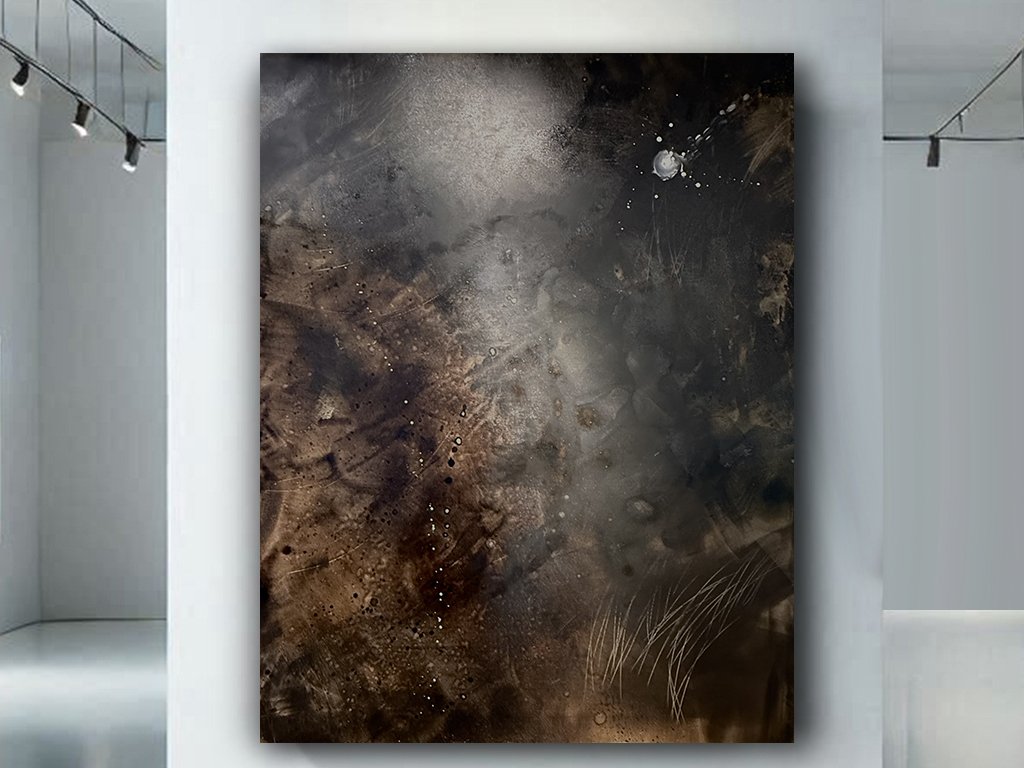
Angel & Shadow 2
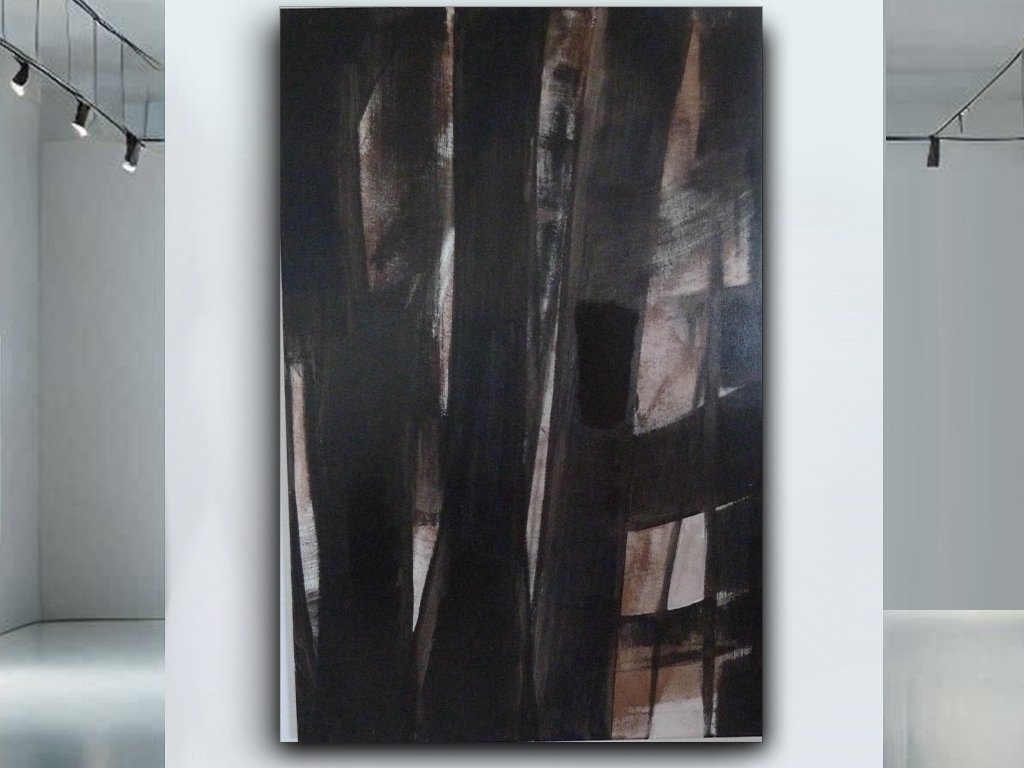
Presence
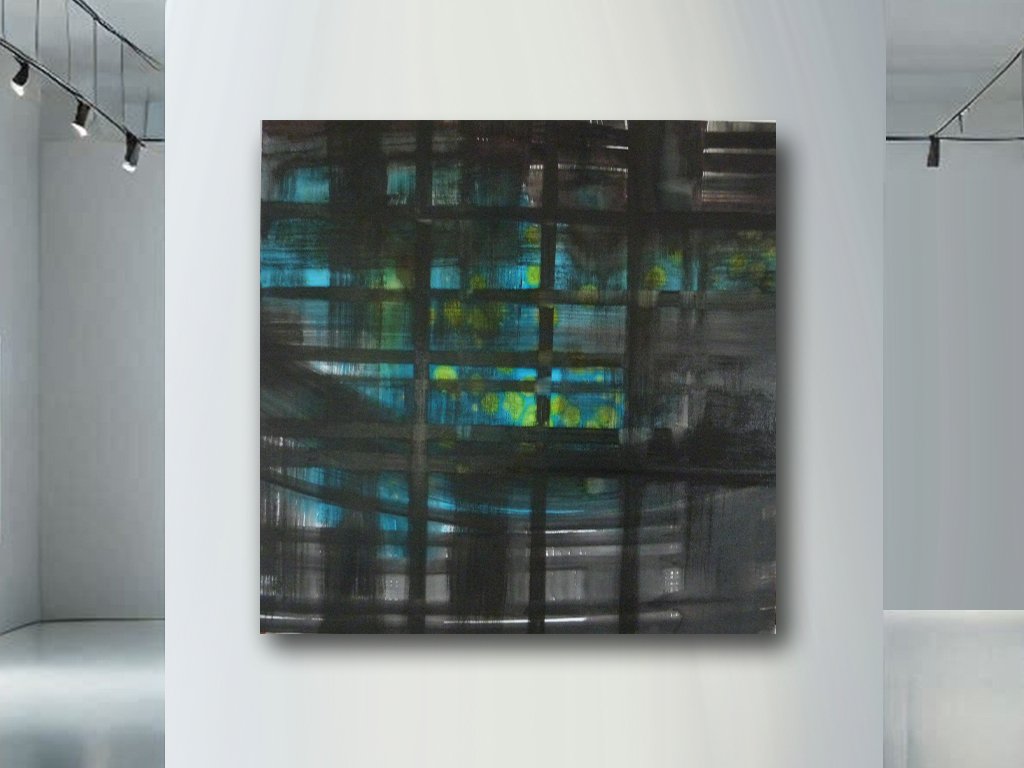
I would like to tell you something
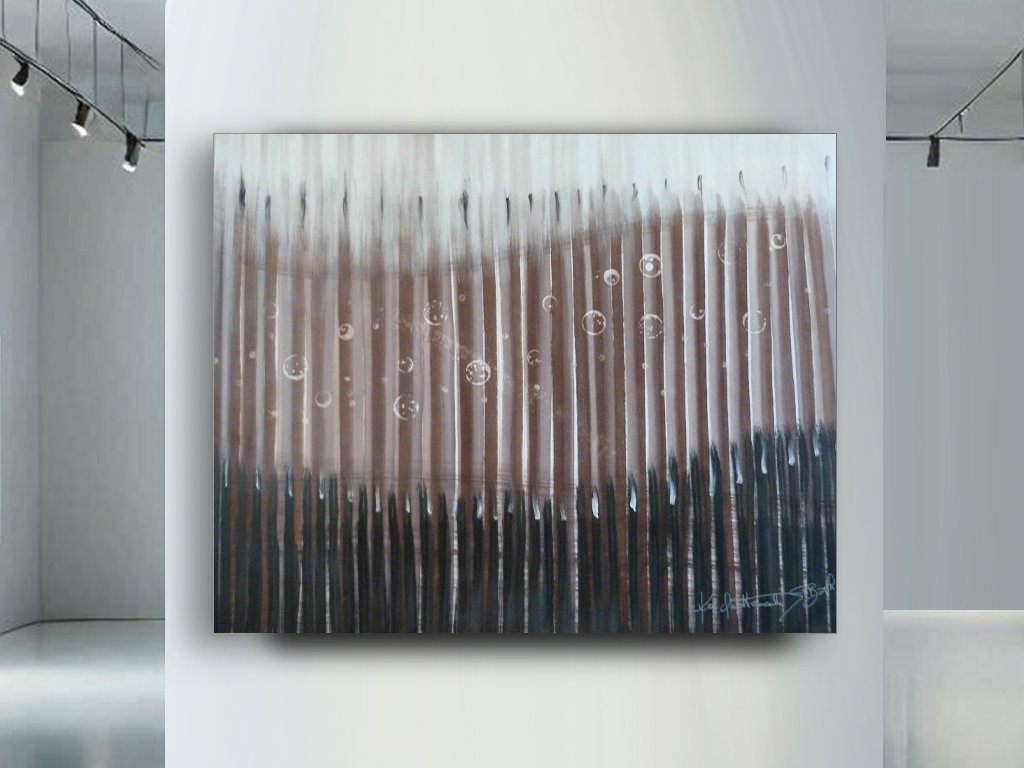
The Eagle

Light In The City
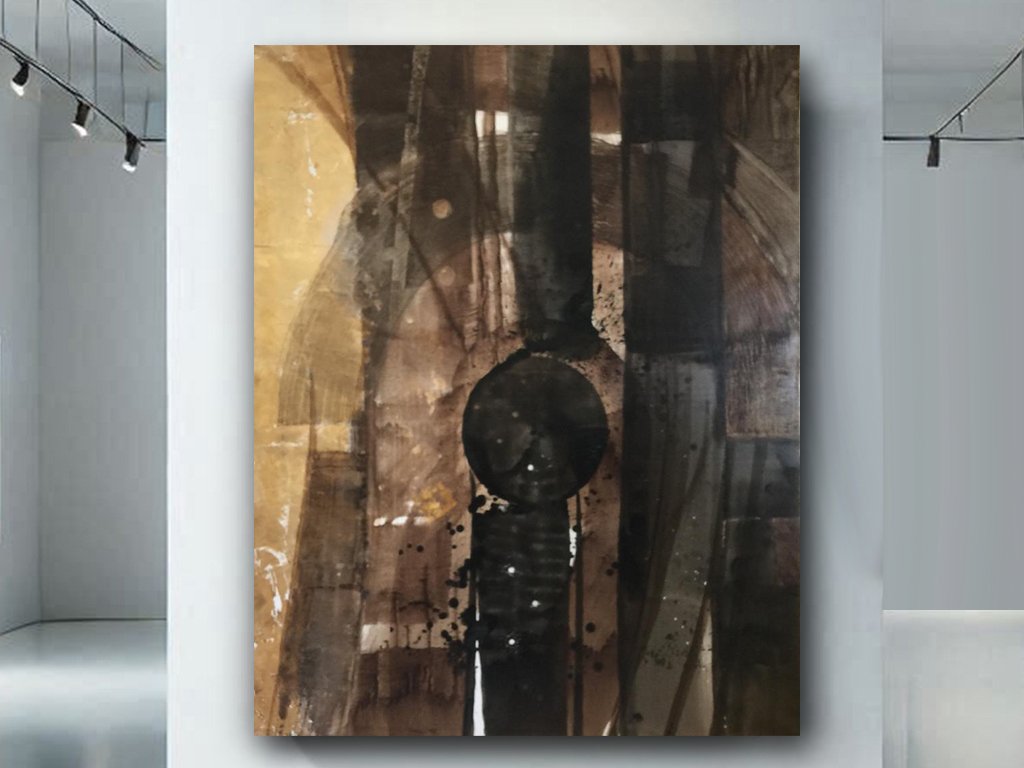
Time doesn't exist

Neutrino

The Guardian
Interview: Exploring the Dark Energy collection
Interviewer: Kay, your Dark Energy collection has drawn attention for its dialogue between art and science. What inspired you to explore these cosmic themes?
Kay Quattrocchi:
I have long been fascinated by the parts of the universe that remain invisible yet structurally decisive. Concepts such as dark matter and dark energy — which contemporary cosmology describes as shaping the large-scale structure and expansion of the universe — offer a powerful conceptual framework.
My work does not attempt to illustrate astrophysical theories. Rather, it engages with the idea that much of reality operates beyond direct perception. Dark Energy explores this tension between visibility and invisibility through abstraction.
Interviewer: How is your collection connected to scientific understandings of dark matter and dark energy?
Kay Quattrocchi:
In cosmology, dark matter and dark energy are not directly observable, yet they are inferred through their effects. This notion — that something unseen can structure the visible — deeply resonates with my artistic research.
In the Dark Energy series, abstract forms and layered textures evoke this structural invisibility. The works do not represent cosmological phenomena; they propose a spatial and perceptual experience of instability, expansion, and gravitational tension.
Interviewer: How can art contribute to our understanding of such scientific concepts?
Kay Quattrocchi:
Art does not explain scientific theory, nor does it seek to validate it. However, it can create perceptual analogies that allow viewers to engage with complex ideas through experience rather than explanation.
In Dark Energy, the visual language suggests scale, depth, and movement. The aim is not didactic but experiential — to invite viewers into a space where abstraction evokes cosmic proportion.
Interviewer: What do you hope audiences will take away from this collection?
Kay Quattrocchi:
I hope viewers experience a sense of expanded scale — an awareness of forces that exceed immediate perception.
Rather than proposing metaphysical conclusions, the work invites reflection on how we situate ourselves within systems that are far larger than us. The cosmic becomes a framework for contemplating proportion, gravity, and structural tension — both visually and conceptually.