


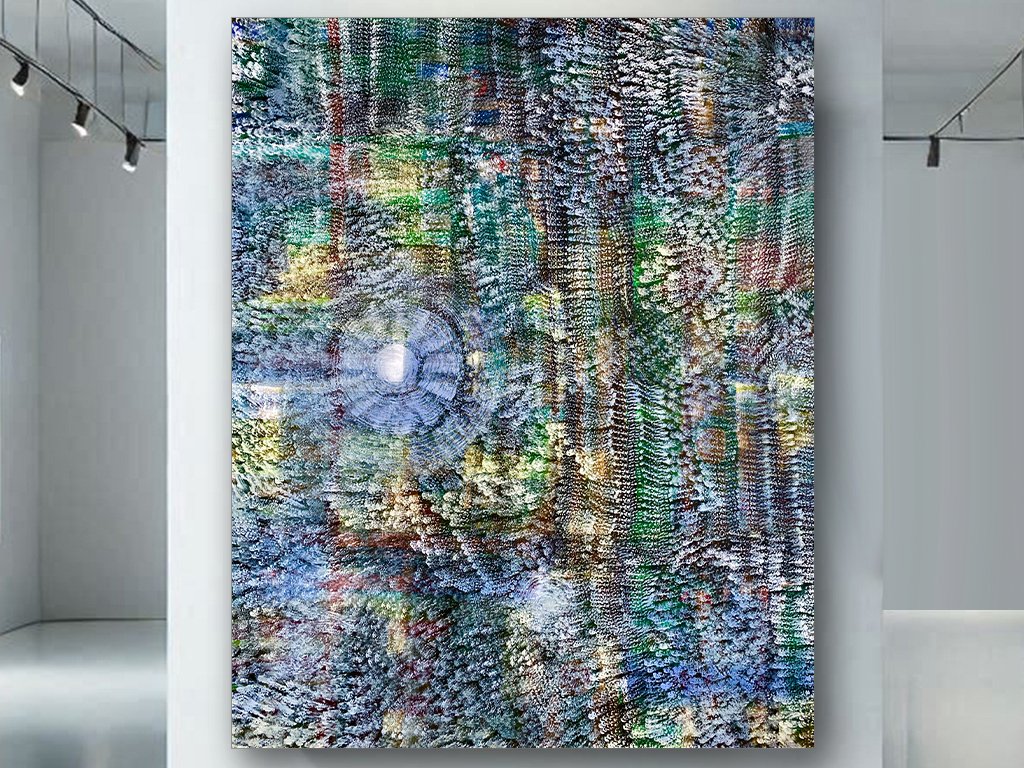
The Healer
63 x 51 inches /
Enquire

Magnetic Particle
57 x 44 inches /
Private Collection

Magnetic Meeting
45 x 31 inches / Enquire
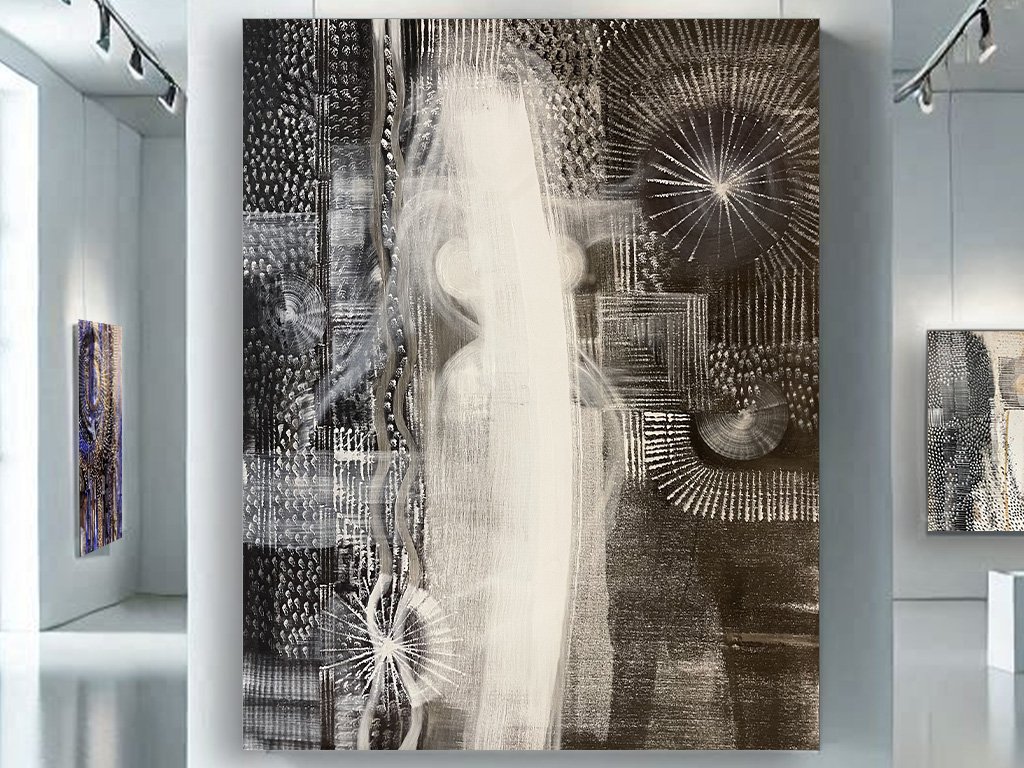
Beyoncé
57 x 44 inches / Enquire
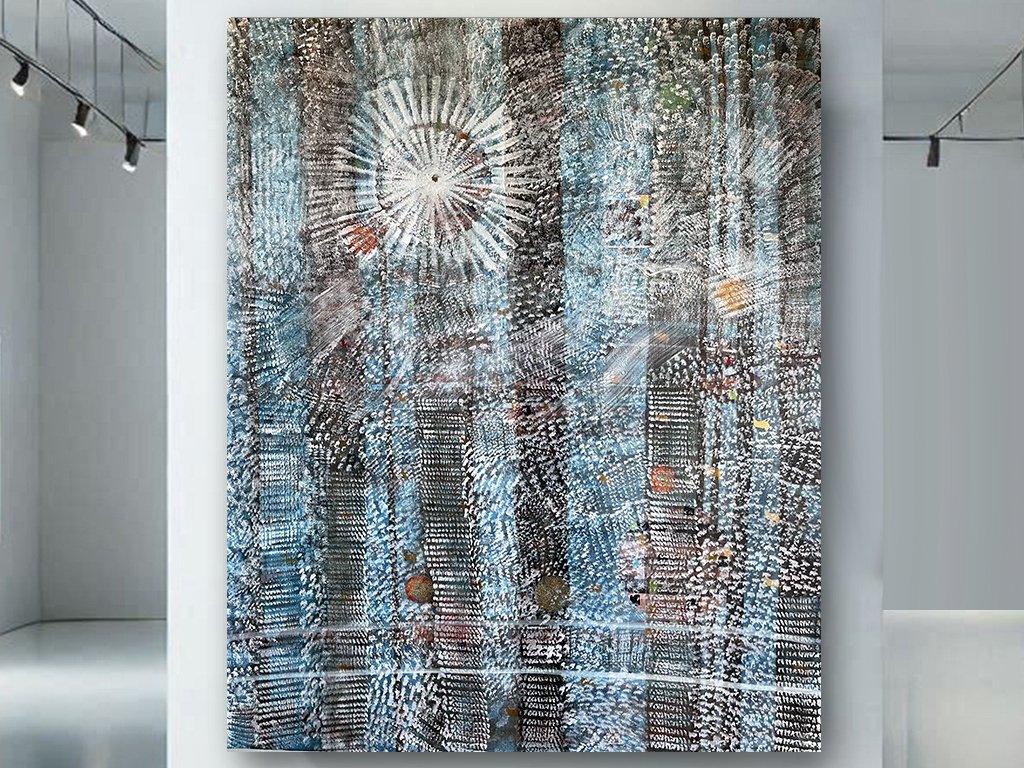
Magnetic Dance
63 x 51 inches / Enquire

Magnetic Chimist
57 x 44 inches / Private collection

Magnetic Opera
51 x 38 inches / Enquire
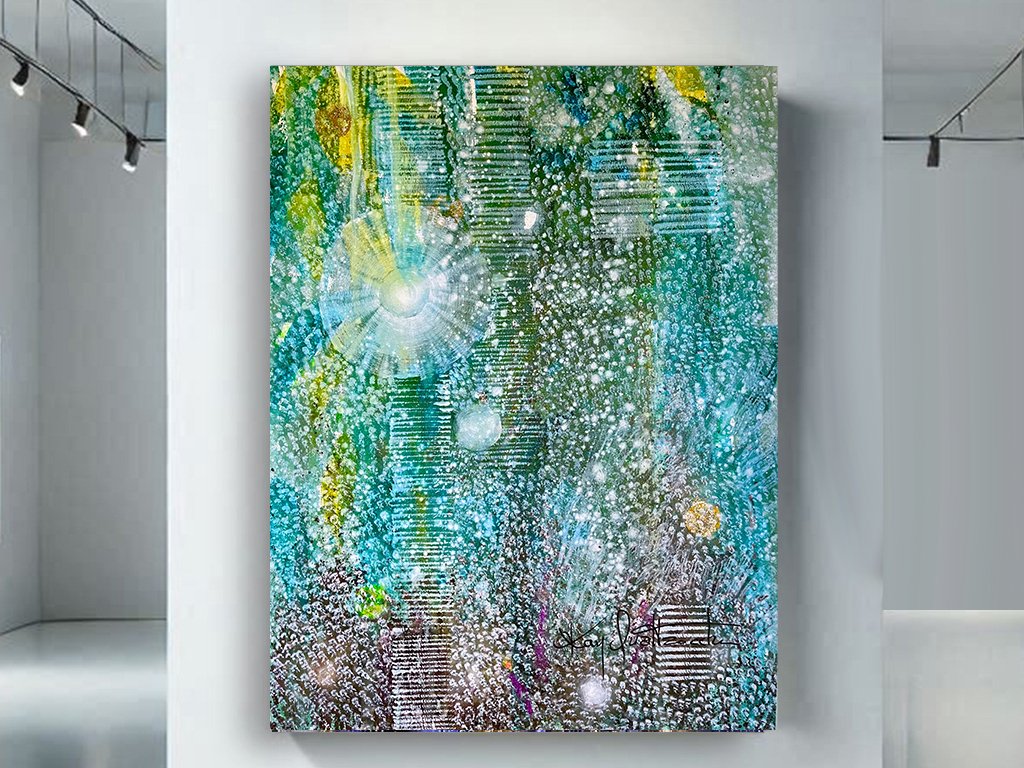
Magnetic Forrest
51 x 38 inches / Private Collection
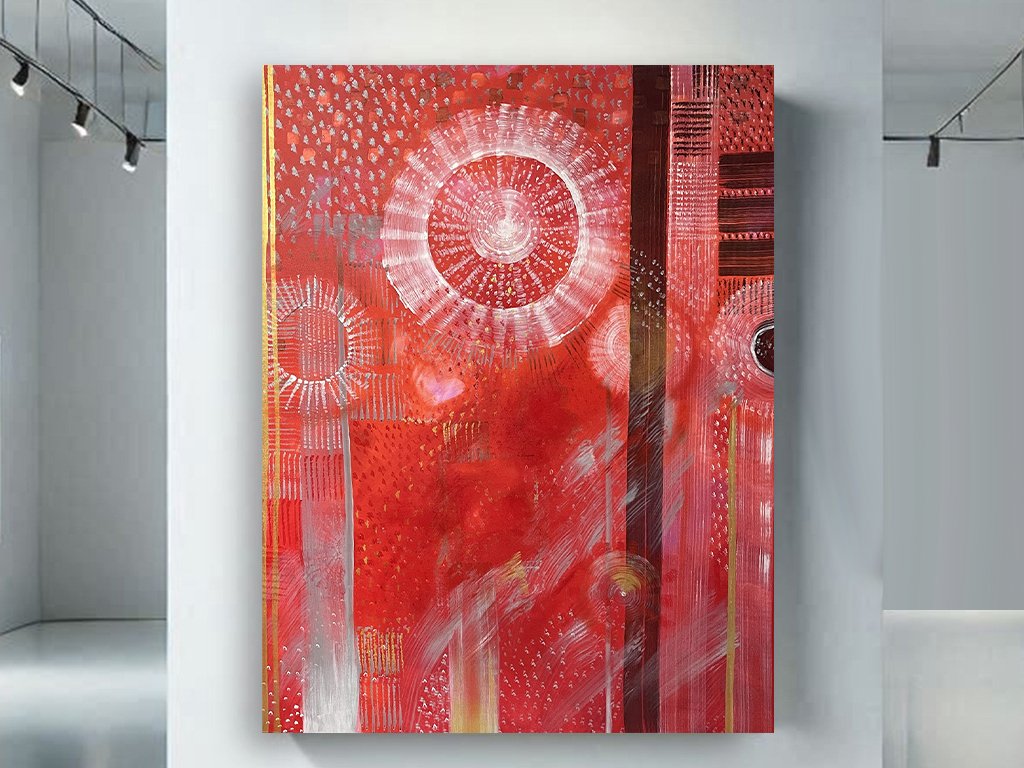
Magnetic Heart
51 x 38 inches / Enquire

Magnetic of a Fern
57 x 44 inches / Enquire
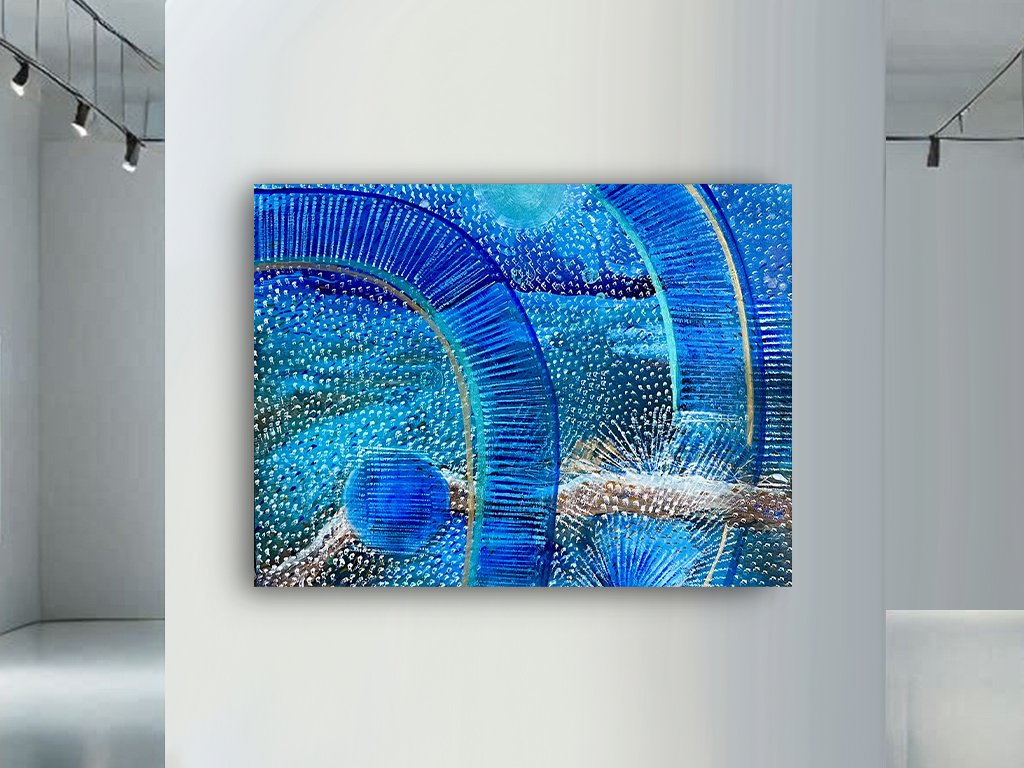
Magnetic Sea
51 x 38 inches / Private Collection
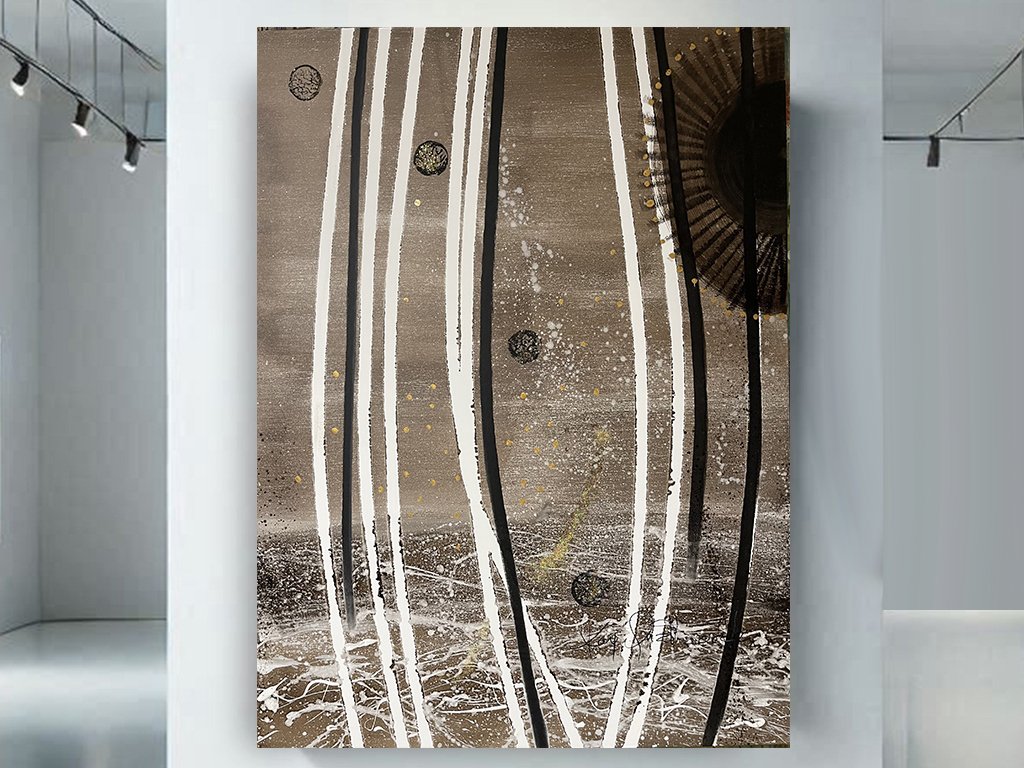
String Theory
51 x 38 inches / Private Collection
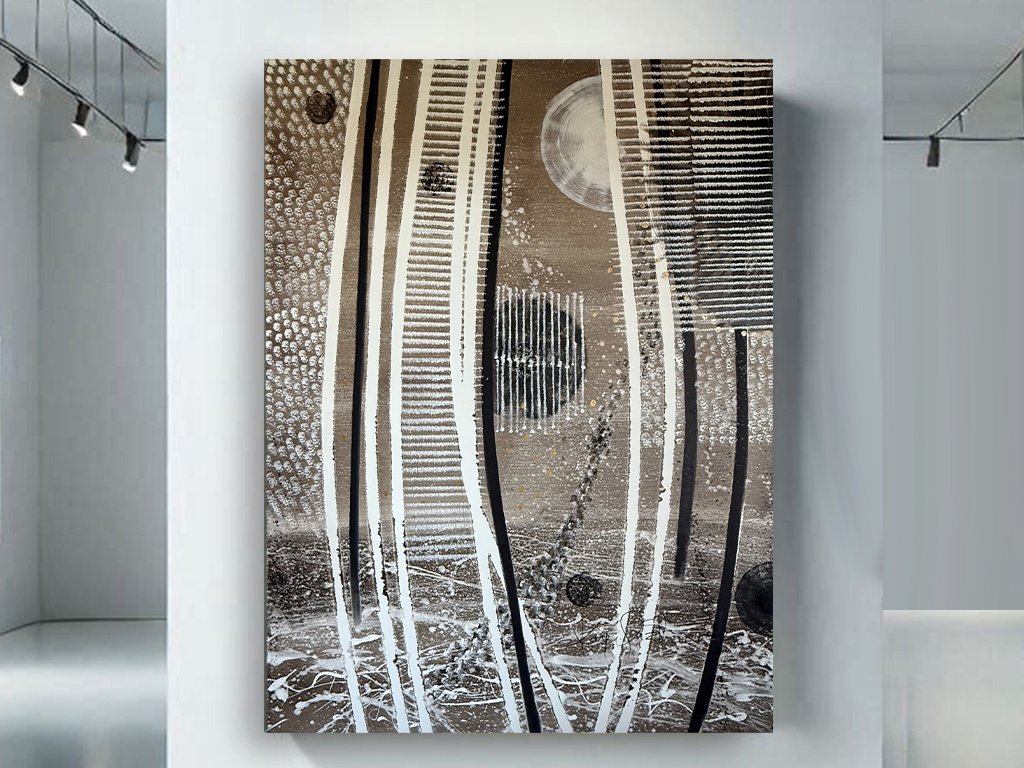
String Theory 2
51 x 38 inches / Enquire
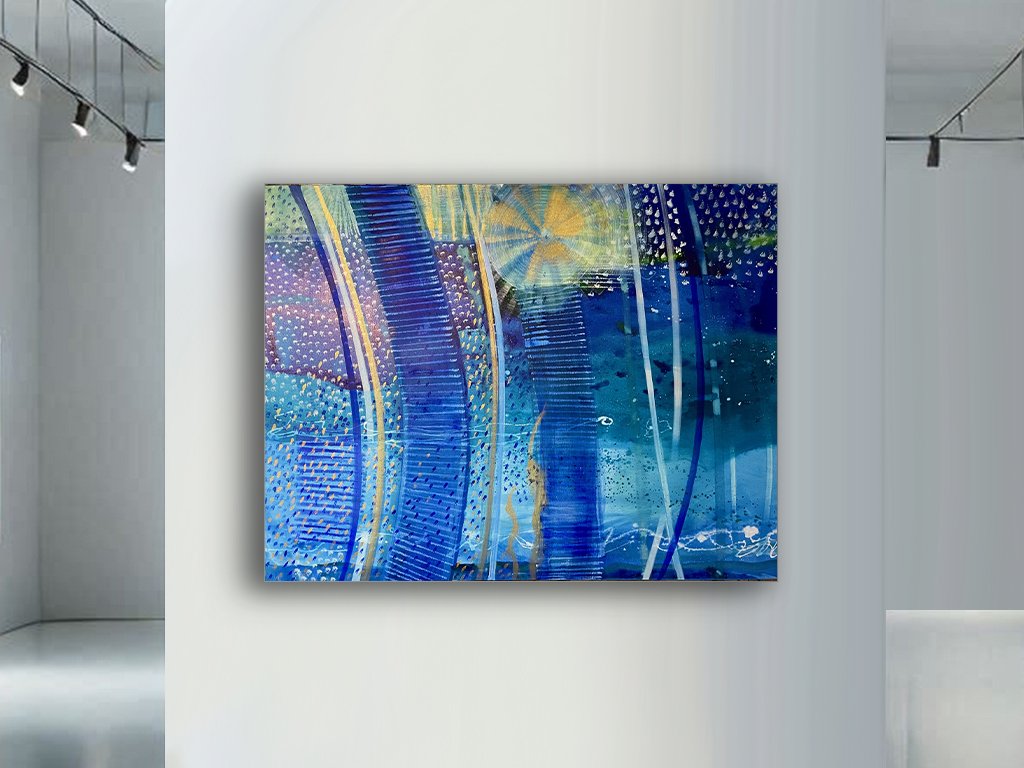
Magnetic Sea 2
51 x 38 inches / Private Collection
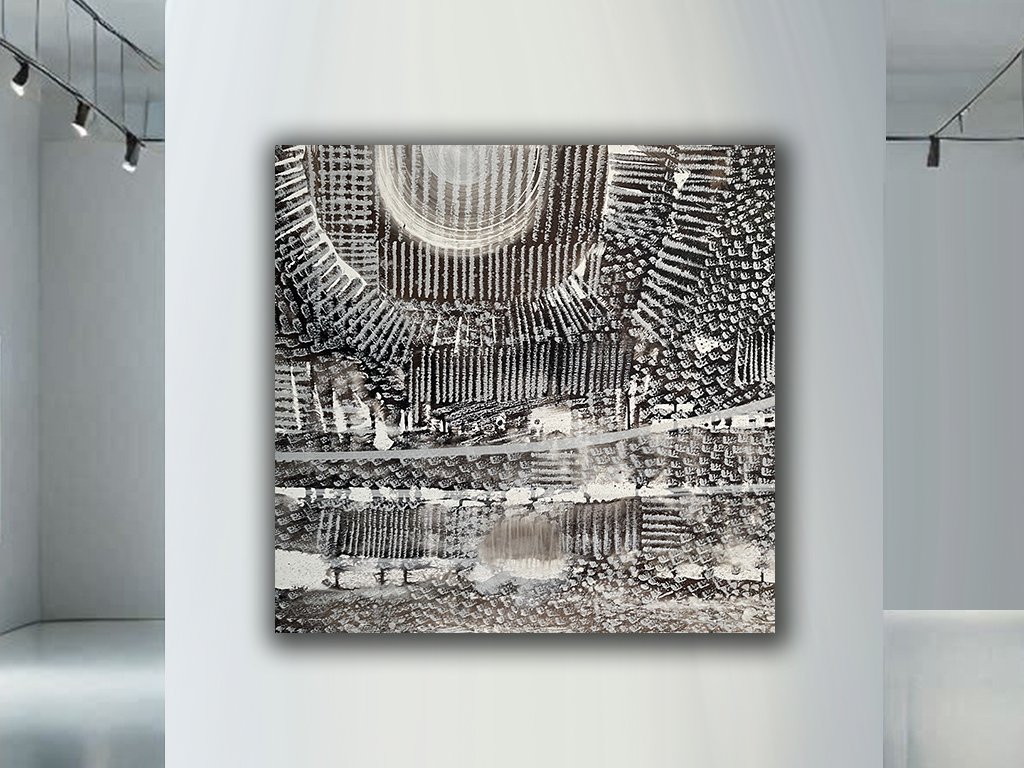
Magnetic Sun
51 x 38 inches / Private Collection
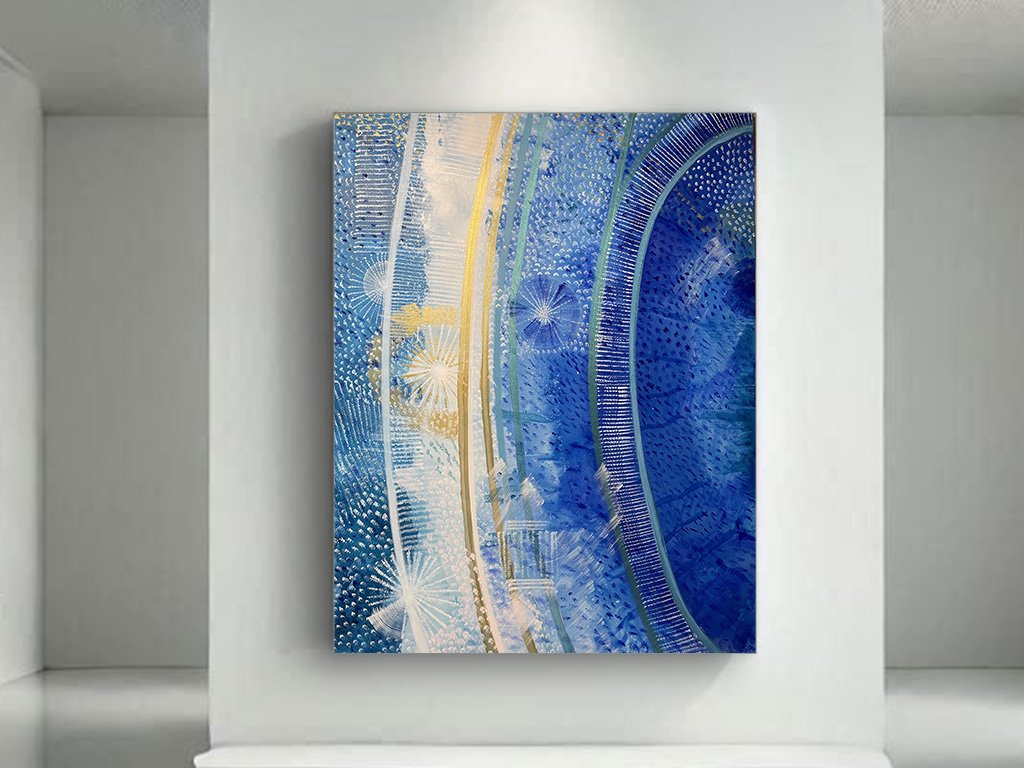
Private Collection
63 x 51 inches / Private Collection
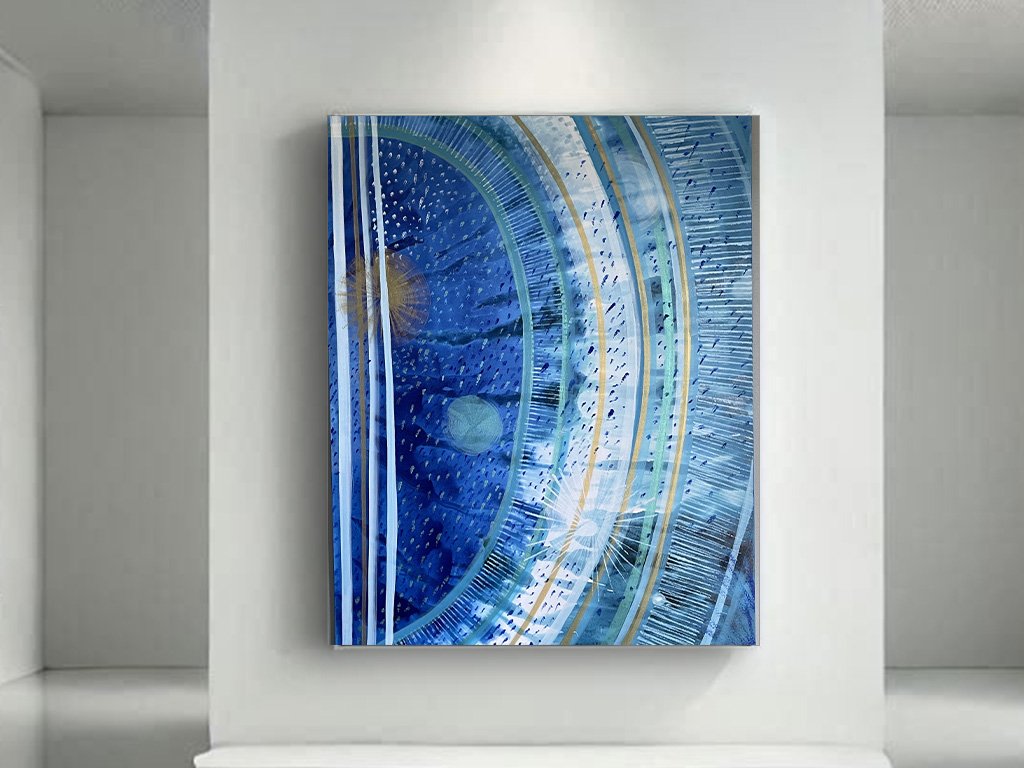
Private Collection
63 x 51 inches / Private Collection
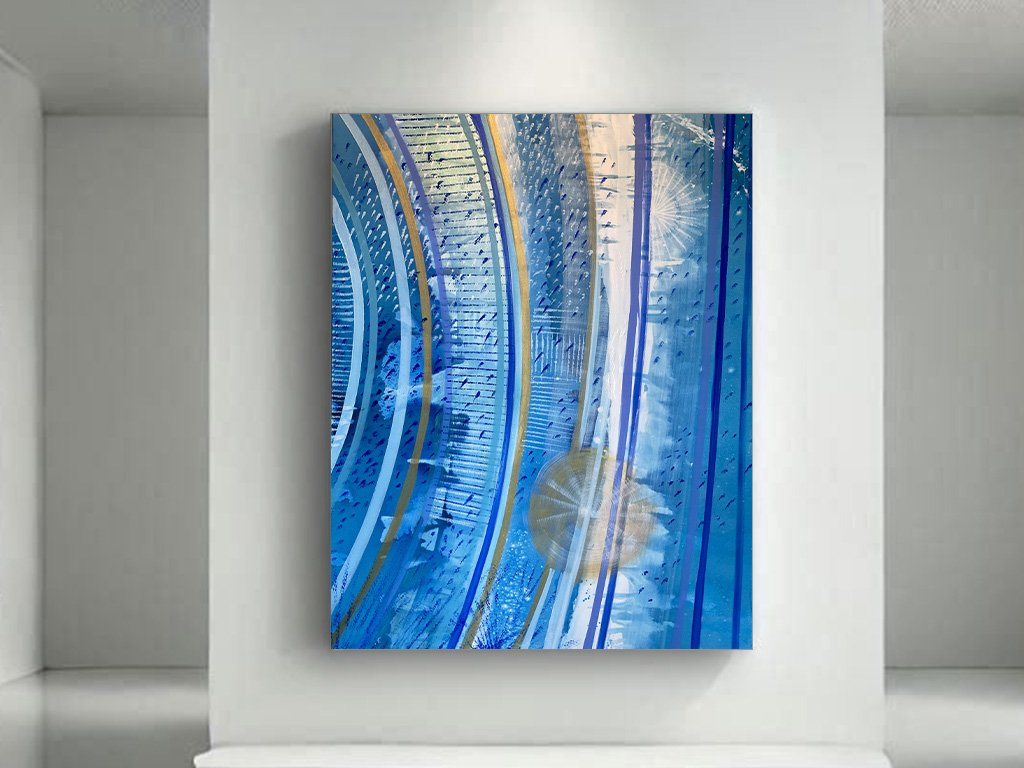
Private Collection
63 x 51 inches / Private Collection
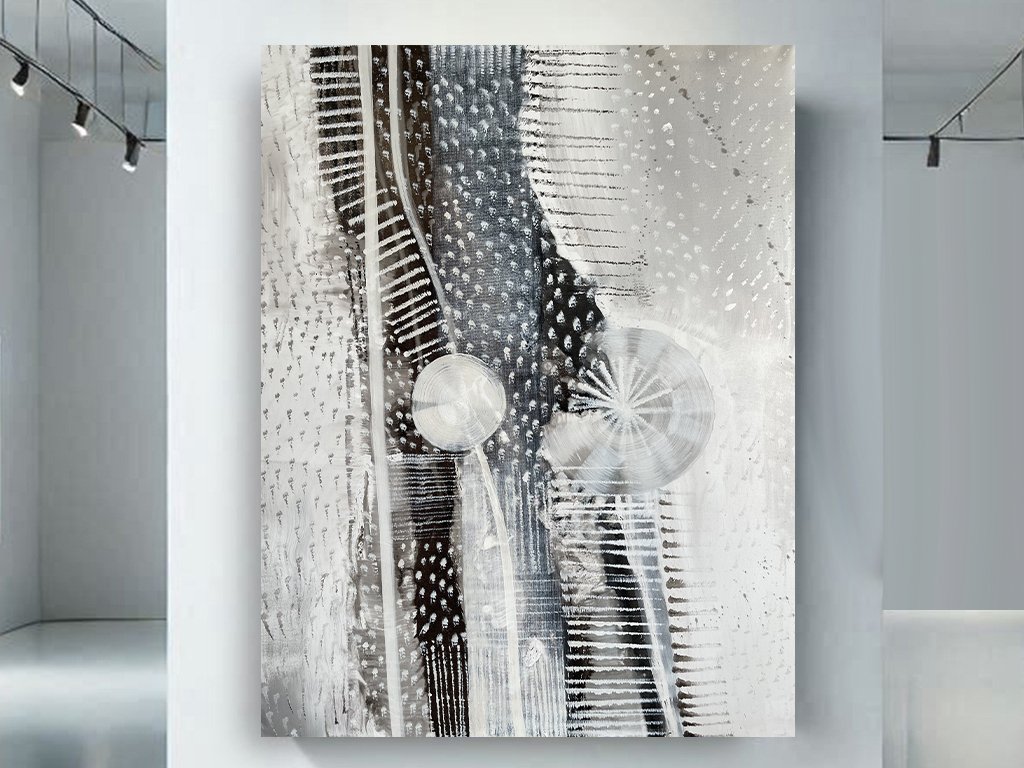
Magnetic Moon
51 x 38 inches / Enquire

The Blob-the most powerful neutrino
51 x 38 inches / Enquire
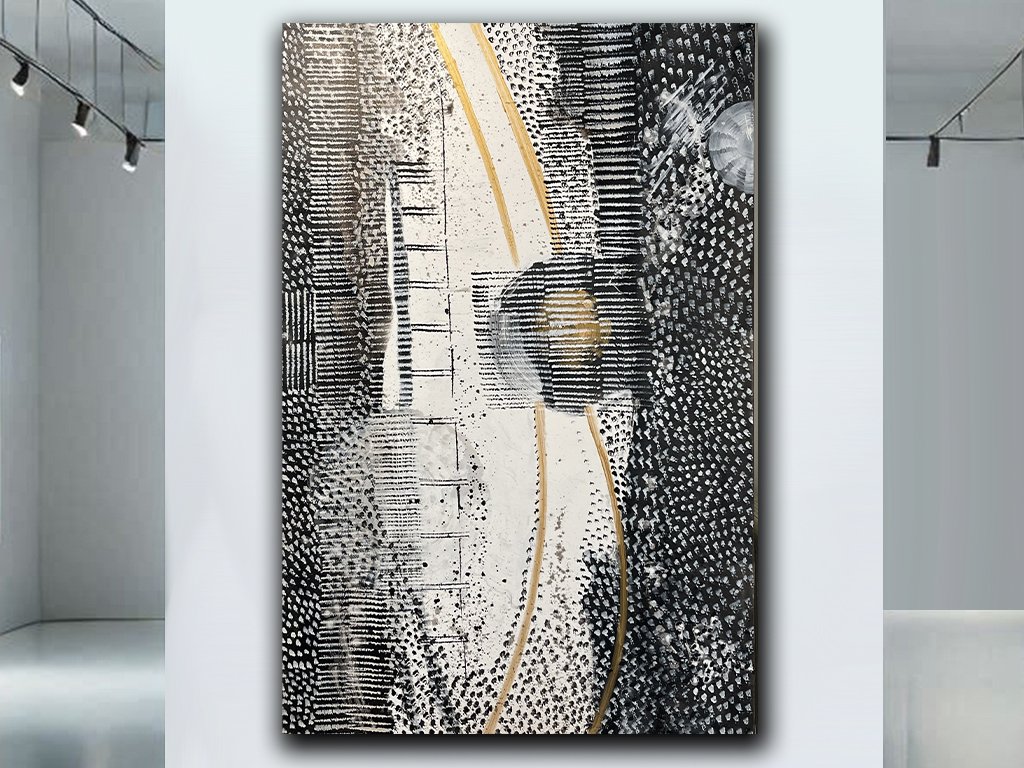
Magnetic Architect
51 x 38 inches / Enquire
Interview with Ellen Lampert Greaux, editor-in-chief of Journal de St Barth and St Barth Weekly.
The Magnetic collection explores the notion of the field from a visual and spatial perspective. It investigates the invisible structures that organize space — tensions, forces, and relational dynamics that precede the emergence of form.
Rather than representing objects, these works propose dynamic configurations: lines, fluxes, and chromatic interferences. The term “magnetic” does not aim to illustrate scientific phenomena, but to suggest a way of conceiving space as a relational field.
2. What led you to explore magnetic fields in your art?
I have long been drawn to what structures the visible without being directly seen. Magnetic fields offer a compelling metaphor: they are invisible, yet their presence becomes perceptible through their effects.
This shift in focus — from the visible object to its underlying structure — gradually oriented my work toward abstraction and greater spatial refinement.
3. Do you believe your art can have an impact on viewers?
I believe every artwork functions as a perceptual device. It alters our relationship to space, rhythm, and color.
In Magnetic, lines and chromatic fields do not describe a subject; they invite an experience. The artwork becomes a space in which the gaze circulates, adjusts, and repositions itself. If it creates a moment of suspension or renewed attention, then it has fulfilled its role.
4. Which natural phenomena inspire you most?
More than specific phenomena, I am interested in the idea of invisible structuring forces. The Earth’s magnetic field, for example, remains unseen yet organizes movements and orientations.
Such physical realities serve as conceptual anchors. My work does not seek to represent them, but to explore plastically the notion of invisible organization within the world.
5. How does this concept influence your creative process?
For me, the creative process involves a balance between intention and emergence. Lines, rhythms, and tensions gradually take form, as if the canvas were revealing its own structural necessities.
It is not about translating “energy,” but about constructing a space in which visual forces achieve coherence.
6. Your collection seems to engage with science. Is this intentional?
Yes, though the dialogue is conceptual rather than illustrative.
Contemporary scientific developments have profoundly transformed our understanding of reality, particularly by questioning the stability of objects and the linearity of time. These shifts inform my reflection.
I do not aim to illustrate scientific theories, but to explore their perceptual and spatial implications within a visual language.
7. What would you like audiences to take away from this collection?
I would like viewers to experience a different kind of space — one in which form is not fixed, and perception becomes active.
If these works encourage a renewed attention to structures rather than appearances, then the collection has achieved its purpose.